
Great Pollution: What Oswego is doing to fight against Lake Ontario Pollution
While many people celebrate Earth Day and Earth Month by recycling more often or participating in one-day events, students in SUNY Oswego continued environmental efforts throughout April with weekly cleanups along the shoreline of Lake Ontario.
Every Wednesday during the month, students walked along the lakefront collecting garbage and debris surrounding the water. The cleanups were part of a larger effort to raise awareness about the growing pollution concerns affecting the Great Lakes.
Problems with PFAS
Although studies show that Lake Ontario is not the most trash-filled of the Great Lakes, researchers have found that it contains some of the highest levels of harmful chemical pollutants. A study conducted by researchers at the University of Toronto found that Lake Ontario has one of the highest concentrations of polyfluoroalkyl substances, commonly known as PFAS.
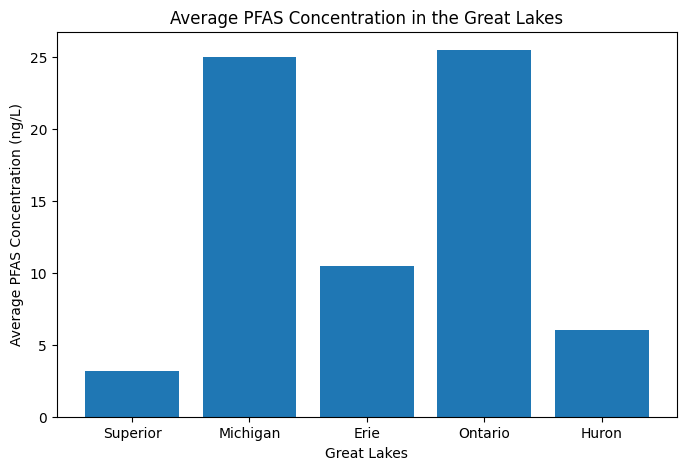
PFAS are often referred to as “forever chemicals” because they do not easily break down in the environment. First widely used during the industrial boom of the 1940s, the chemicals were designed to resist water, oil, and dirt. Today, those same properties allow them to remain in waterways for decades. Researchers have linked long-term exposure to PFAS with several health problems, including certain cancers and other illnesses.
Microplastics
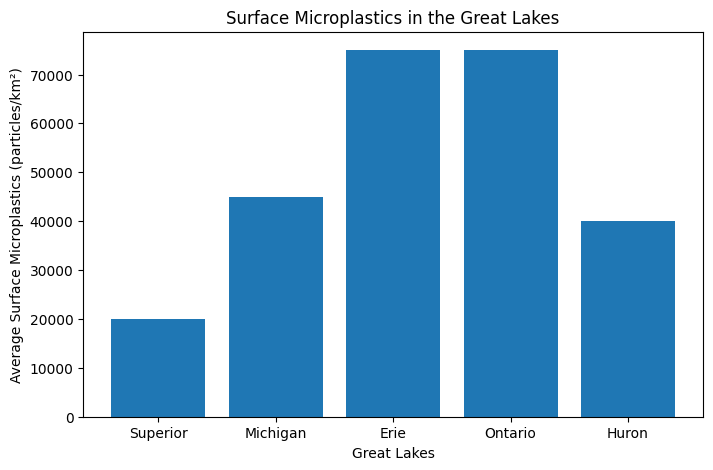
Another major concern facing Lake Ontario is the growing amount of microplastics found in the water. Microplastics are tiny plastic particles that enter lakes and rivers through litter, wastewater, and industrial runoff. Studies have found an average of approximately 43,000 microplastic particles per square kilometer across the Great Lakes, with Lake Erie and Lake Ontario recording some of the highest concentrations due to surrounding population density and industrial activity.
Surface Microplastics in the Great Lakes
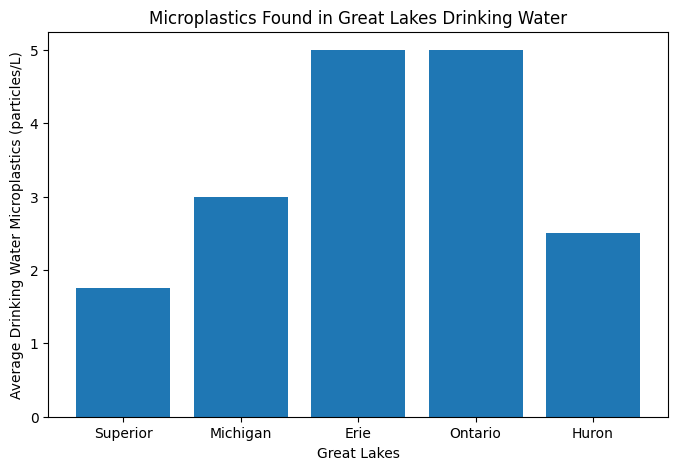
Microplastics Found in Great Lakes Drinking Water
Environment Affects
This also hurts our environment “small amounts enter small organisms then their predators eat them and biaccumulate larger amounts in their fatty tissues then the predators get eaten by bigger predators who accumulate even more of both of those things” Said Dan Mincer a lab tech from Cape vincent, and it is not just animals According to NOAA’s Great Lakes Environmental Research Laboratory, surface temperatures across the Great Lakes have increased by approximately 1.2 degrees Celsius, or about 2.16 degrees Fahrenheit, since 1980. Scientists warn that warmer water temperatures can impact ecosystems, wildlife habitats, and water quality throughout the region.
But how do we save it? Outside of just cleaning up cans on our lawns, Dan added: “The wild card for micro plastics are probably zebra mussels since they filter so much lake water, something like the whole lake at least every two weeks, they might be taking out a lot of the micro plastics before they start to accumulate.”
While the pollution issues facing Lake Ontario extend far beyond Oswego, students, volunteers, and the animals themselves are doing all they can to take care of this place we call home. Even just a little at a time makes a difference. Although Earth Month has come and gone, the work needed to keep our lakes clean is a year-long project, but one worth doing.